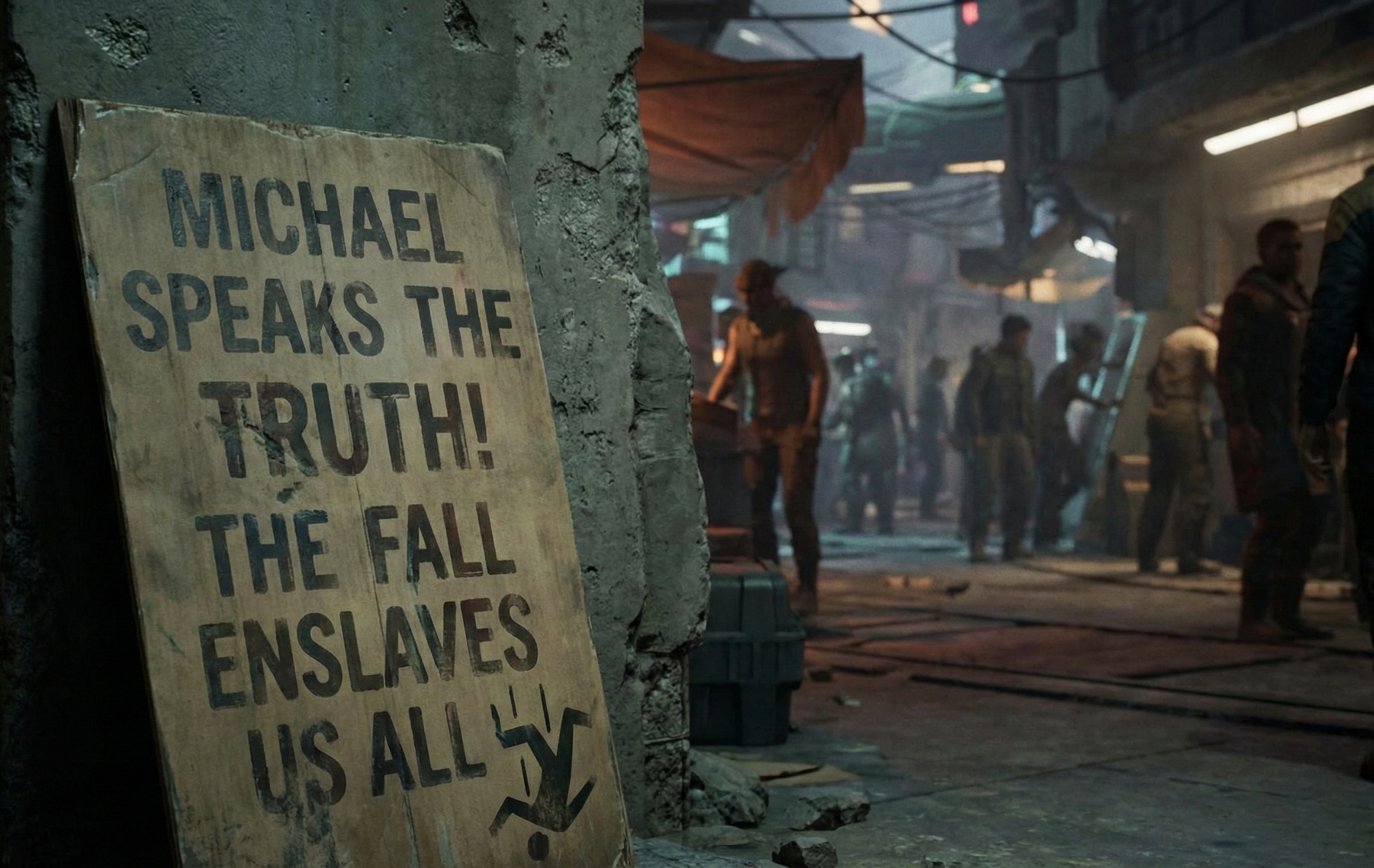
The Fall Enslaves Us All: What to Do When SEO Rankings Drop After a Site Launch
You launched a new website today. Congratulations.
It looks great.
Traffic is still coming in.
Leads have not stopped.
Nothing appears broken.
That is the problem.
Most SEO failures do not feel like failure. They feel like continuity. Everything seems familiar enough that no alarms go off.
No one panics. No one pulls the plug.
But something is wrong.
Not visibly.
Not immediately.
Not in a way analytics dashboards are eager to confess.
Your site did not break.
Your site changed identities.
When that happens, the fall is inevitable.
The fall enslaves us all.
Google Does Not React to Your Site. It Remembers It.
Google does not experience your website in real time the way a human does. It does not look at your redesign and decide whether it likes it.
Google remembers.
It remembers:
- What your site used to be about
- What queries users clicked through
- Which pages satisfied intent
- Where authority accumulated
- How content related to other content
SEO is not evaluated in the present tense. It is evaluated against stored memory.
This matches how Google describes its ranking systems. Google explains that ranking relies on multiple systems and signals that interpret content, relevance, and usefulness at scale, not a single static checklist.
When rankings drop after a launch, it is rarely because Google is confused. It is because Google is confident that the version of you it trusted no longer exists.
Why Ranking Drops Start Slowly and Then Happen All at Once
This is one of the most misunderstood parts of SEO.
Ranking drops almost never happen immediately after a launch. They begin quietly.
First, impressions soften.
Then secondary keywords slip.
Then pages fall from position three to six.
Then from page one to page two.
Nothing looks catastrophic. Traffic is still there. Leads still come in. This is why teams ignore the warning signs.
What is happening underneath is reassessment.
Google does not instantly discard trust. It tests it. Pages are re-evaluated across updated structure, internal linking changes, user engagement shifts, performance differences, and topical alignment.
As long as a page continues to perform reasonably well, Google allows it to persist. But once enough signals fall below historical baselines, rankings do not decline gradually anymore. They collapse.
This pattern is also observed in third-party studies that track visibility and volatility across large sets of SERPs. URLs often remain stable until they fail multiple trust checks at once, at which point visibility drops sharply rather than linearly.
The drop feels sudden. The cause was not.
The fall was already in motion.
1. What Google Rewards Has Not Changed. You Did.
Let us reset the fundamentals.
Google still rewards two primary forces.
Relevance
How closely a page matches the true center of a query's intent, not just its keywords.
Authority
How much trust Google has accumulated in your site based on expertise, links, historical performance, and consistency.
The common trap: "Our backlinks did not change, so our authority should be intact."
Authority is contextual. Links do not exist in isolation. They point to content that lives within a topical framework. When that framework changes, authority loses its anchor.
You did not lose authority.
You disconnected it from relevance.
Google still remembers who you were.
It just does not see that version anymore.
2. Aboutness Is Memory, Not Messaging
Every page on your site has an identity. Not the brand identity you discuss internally, but the aboutness Google has learned over time.
This aboutness is fragile.
It does not take a dramatic pivot to destroy it. A series of small, reasonable edits is enough.
Headings rewritten for clarity.
Sections trimmed.
Pages merged or removed.
Copy polished to sound more modern.
Each change feels harmless.
Together, they overwrite memory.
The Nashville Example
If you ask a bachelorette to write about Nashville, you get:
- Broadway
- Bars
- Drinking
- Country music
- Cowboy boots
The keywords are there.
The article sounds right.
But the aboutness is wrong.
An article truly about Nashville covers history, governance, neighborhoods, sports teams, transportation, and institutions.
That mirrors how authoritative entity pages like Wikipedia describe the subject.
One article circles the topic.
The other inhabits it.
Google does not reward surface familiarity.
It rewards centered understanding.
3. When Your Homepage Cannot Remember What It Is About
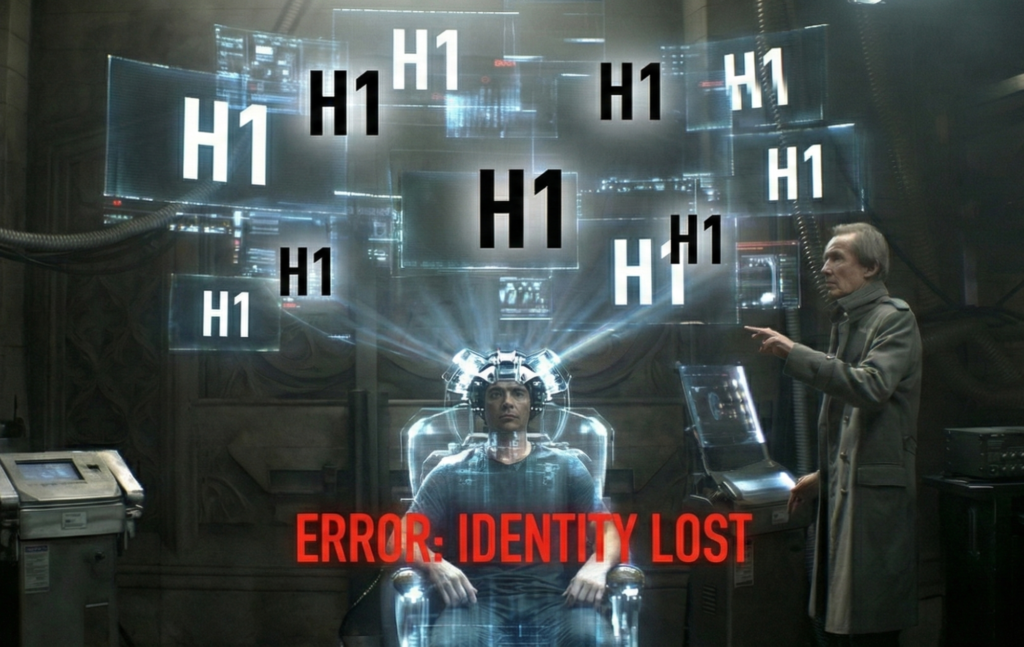
Homepages commonly launch with:
- Multiple H1s
- Sliders with rotating messages
- One H1 that is empty or visually hidden
- Generic positioning statements
Each H1 is supposed to be a declaration of identity.
Multiple H1s fracture meaning.
Sliders replace clarity with indecision.
The homepage is rarely the first page to drop. But it destabilizes the memory structure that supports the rest of the site.
If Google cannot confidently classify your homepage, it becomes less confident about everything beneath it.
4. The Silent Damage of Abandoned Pages
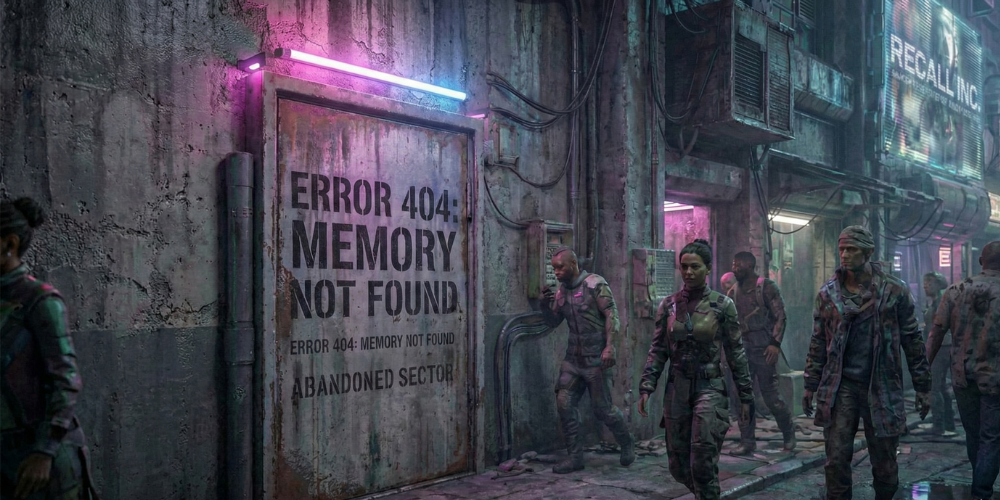
You had pages that ranked.
They drove traffic.
They earned links.
They trained Google.
Then the redesign happened.
Now they are gone.
Why 404s Matter More Than People Think
A 404 does not tell Google that content moved.
It tells Google the content no longer exists and should be forgotten.
This is why migrations without complete redirect mapping do not cause immediate crashes. They cause slow erosion.
Each missing URL removes a piece of learned relevance. Over time, enough memory is lost that rankings fail all at once.
Google recommends using redirects when content moves to preserve signals and maintain user access.
This is not cleanup.
It is erasure.
5. Thin Pages Do Not Just Rank Poorly. They Break Trust.
After launches, pages are often cleaner and shorter.
They are also less useful.
Key information disappears:
- How ordering works
- What happens after purchase
- Delivery timelines
- Differentiation
Google models user satisfaction. A page that feels incomplete creates friction. Friction lowers engagement. Lower engagement rewrites memory.
Thin content does not just fail to rank.
It signals that expertise is gone.
6. Performance Is the Weight You Forgot to Measure
Page speed rarely announces itself as a problem.
It quietly changes behavior:
- Shorter sessions
- Fewer interactions
- Higher abandonment
Launches introduce heavier assets, scripts, animations, and frameworks. Each addition seems reasonable. Together, they change how the page performs in competitive environments.
When relevance is similar, performance differences matter. Google has emphasized page experience and Core Web Vitals as part of its broader effort to reward better user experiences.
The site did not get worse content.
It got heavier.
7. Internal Linking Is How Memory Circulates
Internal links are reinforcement.
They tell Google what matters, what supports what, and where authority should flow.
Redesigns often remove contextual links, replace text with buttons, flatten hierarchies, and isolate important pages.
The pages still exist.
They are no longer fed.
Nothing explodes.
Everything suffocates slowly.
8. When Titles, Headings, and Content Stop Agreeing
Post-launch rewrites often prioritize tone over clarity.
Titles become clever.
H1s become vague.
Body copy shifts focus.
Google expects alignment. When the title, heading, and content no longer reinforce the same intent, relevance decays gradually and then fails under pressure.
9. Algorithm Updates Do Not Break Sites. They Trigger Recall.
Updates do not cause ranking drops. They expose instability.
When Google adjusts how it evaluates helpfulness, relevance, or trust, pages with weak memory structures fail first.
This aligns with Google's focus on rewarding content that is created primarily for people and that demonstrates helpfulness and clear purpose.
The update did not punish you.
It asked a harder question.
Your site could not answer consistently anymore.
10. The Redesign Problem Nobody Wants to Admit
Most SEO failures do not begin with incompetence.
They begin with optimism.
A redesign meant to modernize, elevate, and clean things up. The problem is not change. The problem is that no one protected the memory that made the site rank in the first place.
A better-looking version of yourself is useless if Google no longer recognizes you.
11. Other Launch Mistakes That Accelerate the Fall
Ranking collapses are cumulative:
- Sitemaps not updated
- Robots.txt blocking paths
- Canonicals misconfigured
- Faceted URLs exposed
- Pagination broken
- Schema removed
Each issue is survivable. Together, they guarantee drift.
12. What To Do When Rankings Drop
Stop changing things.
Compare old and new side by side.
Restore redirects completely.
Rebuild aboutness.
Reinforce internal links.
Fix performance.
Wait.
Google does not relearn overnight.
The Fall Enslaves Us All Unless You Restore Memory
Google is not angry.
It is not confused.
It is not punishing you.
It is remembering.
And when what it remembers no longer matches what it sees, gravity takes over.
You did not lose rankings.
You lost alignment between who you were and who you are now.
Restore that alignment and recovery becomes possible, but keep going and you'll wind up on the other side of the planet spending 3x more on ads killing your profitability.
Michael McDougald
Founder of Right Thing SEO, a math-driven SEO agency based in Nashville and Sarasota. Michael has spent 15+ years helping businesses achieve sustainable organic growth through data-driven strategies.
Learn more about Michael →