Why Home Services SEO Beats Buying Leads
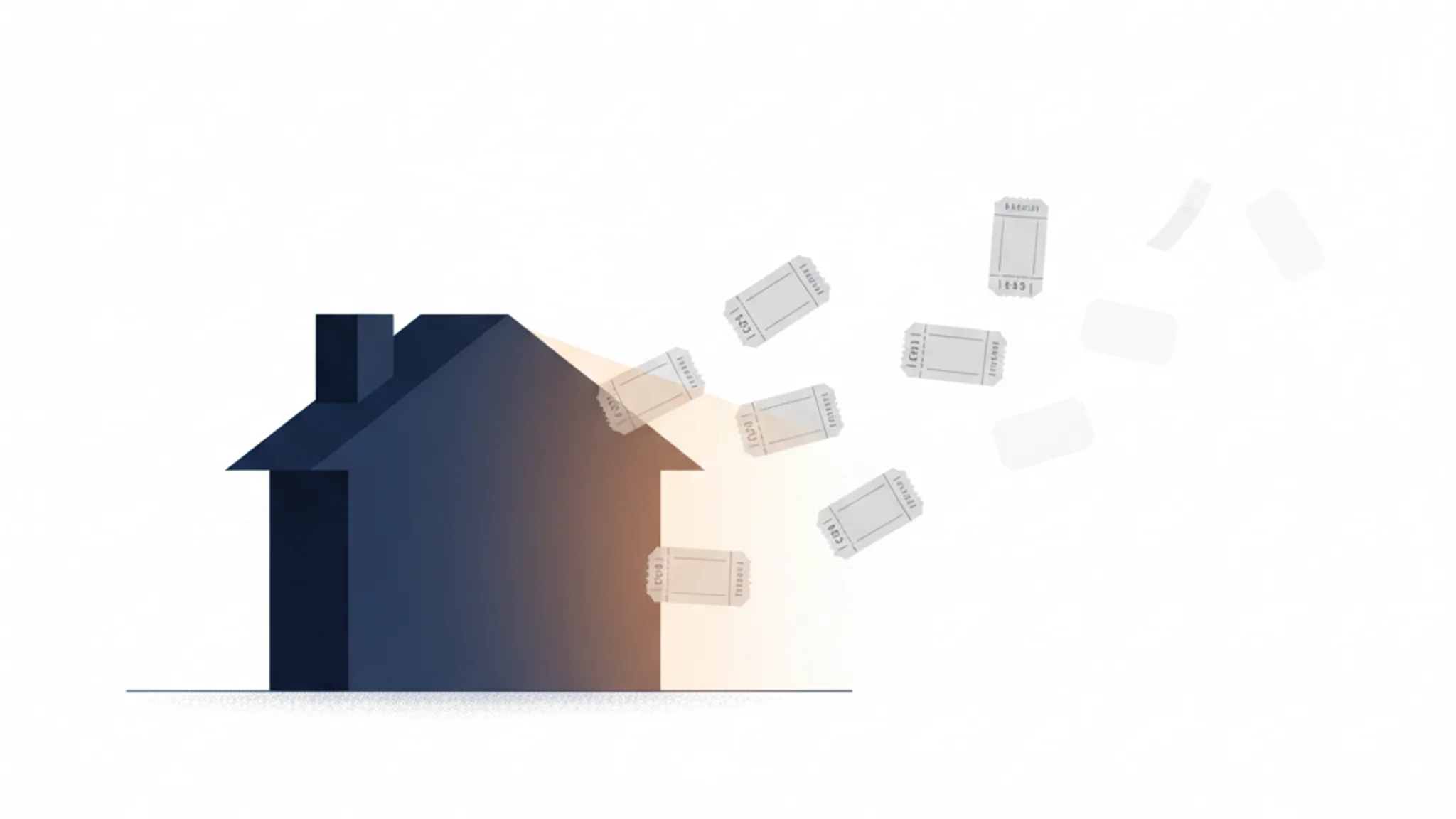
Most contractors I talk to have a number in their head, and it is the monthly bill they pay a lead platform. They know it down to the dollar because it never stops. The plumber buys leads from Angi, the roofer buys them from HomeAdvisor, the HVAC company buys them from both, and every one of them tells me the same thing. The leads keep getting worse and the price keeps climbing. The day they stop paying, the phone goes quiet. That is not a marketing strategy. That is rent. And rent buys you nothing you get to keep.

There is a different way to spend that money, and it builds something you own. That is the whole argument for home services SEO, and the math is more lopsided than most contractors realize.
What home services SEO actually is
Home services SEO is the work of optimizing a home service company's website, Google Business Profile, and reviews so the business ranks in local search results when a homeowner nearby searches for a plumber, an electrician, or an HVAC company. It targets the searches that become calls, like "water heater repair near me," and earns them through organic rankings and the local map pack instead of a per-lead invoice. Done right, home services SEO turns local search into a pipeline you own instead of leads you rent.
That definition matters because of what it leaves out. There is no auction. There is no platform skimming a fee off every job. The customer searches, finds your business, and calls you, and nobody sits in the middle charging admission.
The math of buying leads never works in your favor
Here is the part the lead platforms do not put on the invoice. When you buy a lead, you are almost never buying it alone. The standard model is the shared lead, where the same homeowner's request gets sold to three to five contractors at once. Roofers have reported a single lead sold to as many as sixteen companies. You pay full price for a fraction of a chance.
Run the numbers and it gets worse. A fifty-dollar shared lead sold to four or five contractors means you are spending two hundred to two hundred fifty dollars for roughly a one-in-four shot at the job, and that is before you have driven to the estimate. You are not really buying a customer. You are buying the right to race four other trucks to the same phone call, and the homeowner who submitted that form is now fielding five calls in ten minutes and trusts none of them.
The platforms know how this looks. In 2023 the FTC ordered HomeAdvisor to $7.2 million FTC fine for deceptive lead marketing, including leads it had oversold to the pros paying for them. When the government has to step in over how a lead is sold, that is a strong signal about the product you are renting. I am not telling any contractor to quit paid channels overnight. I am telling them to notice that they are pouring money into a faucet that pays out less every quarter and leaves nothing behind.
Prominence is the asset you own, and you cannot buy it
Search engines rank local businesses on three things. Google says so directly in its local ranking guidance: relevance, distance, and prominence. Relevance is how well your business matches the search. Distance is how close you are to the person searching. Prominence is how well known and trusted your business is, and Google states plainly that it is built on signals like your reviews and the links pointing to your site.
Two of those three factors are an asset, and the lead platforms cannot sell them to you. Google's own location prominence patent describes prominence as a score meant to surface the best business for an area, not merely the closest one, and it folds in a link-based score that works like PageRank. Set that against buying leads, where you own nothing the moment the check clears. A national lead aggregator sitting in another state cannot win on distance for your neighborhood, and it cannot inherit the reviews your customers wrote about you. Prominence is the one thing in local search that compounds, and it accrues to whoever did the work, not whoever paid the most this month.
Reviews are the clearest example. BrightLocal's 2024 Local Consumer Review Survey found that 75 percent of consumers always or regularly read online reviews for local businesses, and Google is where 81 percent of them read those reviews. Every review a happy customer leaves makes your business more prominent and more clickable, and it keeps working next year. A lead you bought last Tuesday is already gone.
Build the home services SEO that keeps working after the invoice
So what are you building instead? A presence you own, with a handful of parts that feed each other.
Your Google Business Profile and reviews
Your Google Business Profile sits at the center of local search, because it feeds the map pack directly. Pick the most specific primary category, fill in every field, set your real service area, list your services, and upload photos of actual jobs. Then make reviews a habit, not an afterthought. Ask every satisfied customer the day after the work is done, and respond to all of them. Claim your free listings on the directories homeowners actually use, like Yelp and Google, and keep your name, address, and phone number identical everywhere, so your citations reinforce each other instead of confusing Google about which business to trust. A complete profile with a steady stream of reviews tells Google your business is active and trusted, and it is the same local engine a neighborhood practice relies on, the one I walked through in winning dental SEO inside three miles. It works the same way for a plumber or an electrician.
Keyword research and the content that ranks
Keyword research is what points the whole effort at money. The right keywords tell you the exact phrases homeowners type, so you build a page around "furnace repair" plus your city instead of guessing at what customers want. Content does the rest. A blog that answers the questions people actually ask, like why a water heater leaks or how often an AC needs service, pulls in research-stage traffic and feeds authority to the service pages that take the calls. This is the home services SEO work the lead platforms never do for you, because their business is selling the click, not building your rankings.
This is the home services SEO work the lead platforms never do for you, because their business is selling the click, not building your rankings.
Service pages and local website content
Your website is what makes you relevant. Build a dedicated service page for every service you want to rank for, like drain cleaning, panel upgrades, or roof repair, because one page listing twelve services ranks for none of them. If you serve more than one city, give each one its own location page with real local content, not a copy with the town name swapped out. Underneath all of it, the technical optimization has to be solid: a fast website that works on mobile and loads over HTTPS, a consistent name, address, and phone number across the web, and LocalBusiness schema so search engines can read your details without guessing. Most home service searches happen on a phone, and a slow page loses the customer before your rankings ever matter.
The instinct to chase the national platforms head-on is the same mistake I see local shops make in crowded markets, the one I wrote about in beating a flooded screen printing market. You do not outspend the aggregators online. You out-own them, in the local pack and on the service pages they cannot write for your market.
Measure the pipeline you own, not the leads you rent
The honest part of this conversation is the timeline. Home services SEO is slower to start than writing a check to Angi. Expect movement in the local rankings over three to six months, longer in a competitive metro, and then a cost per lead that keeps dropping while the rentals keep climbing. Track the numbers that prove it: your map pack position, your keyword rankings in Google Search Console, the calls and form fills coming straight from your Google Business Profile, and your blended cost per lead from organic compared to what the platforms charge. Watch those four and the trend tells the whole story: more customers finding you in organic search results, at a cost that keeps falling while the platforms keep charging more.
That gap widens as search changes. AI Overviews and assistants are starting to answer "best HVAC company near me" before a homeowner clicks anything, and the businesses those systems name are the ones with the prominence signals already in place: a complete profile, a wall of recent reviews, and pages that clearly say what they do. You cannot buy your way into that answer with a lead credit. You earn it. If you want a partner to build that owned presence with you, that is exactly what our home services SEO work is built around, sitting on the same local SEO foundation every contractor needs. Stop renting the phone call. Own the reason it rings.
By Katrina Kendall
Katrina Kendall
Content Strategist at Right Thing SEO, where she helps business owners sound like the experts they already are. Her focus is on translating real-world experience — the kind that lives in a founder's head but never makes it onto the page — into content that satisfies Google's E-E-A-T standards and actually converts. Before joining Right Thing, she spent six years in B2B content strategy, where she got tired of watching brilliant operators get outranked by generic blogs written by people who'd never done the work.